

USFS Standards for Temporary and Permanent Timber Bridges: Design, Compliance, and Inspection Guidelines
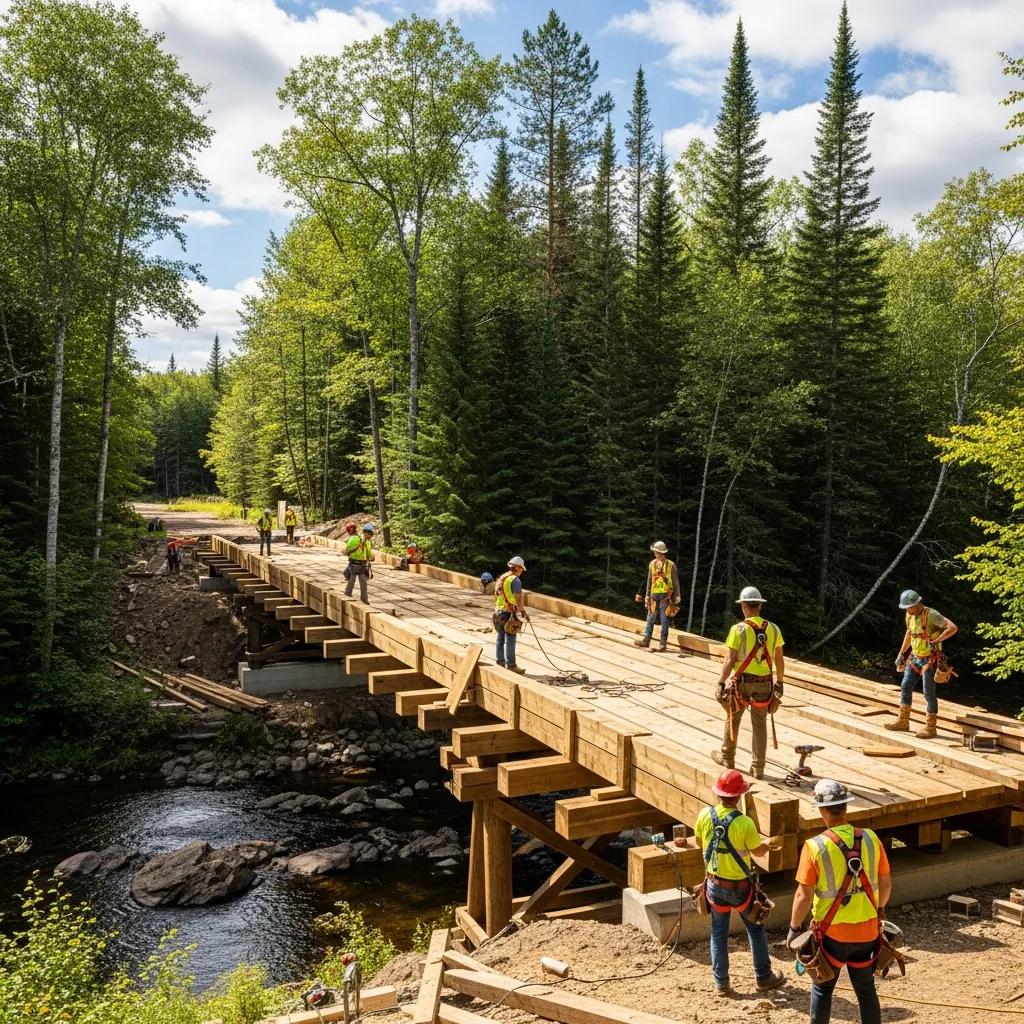
The construction and maintenance of timber bridges under the U.S. Forest Service (USFS) are governed by rigorous standards designed to ensure safety, environmental stewardship, and operational efficiency. These standards apply to both temporary and permanent timber bridges, providing detailed technical guidance on design criteria, compliance during construction, and inspection protocols. This article offers a comprehensive overview of USFS timber bridge standards, emphasizing their impact on material selection, construction practices, and maintenance strategies. It is intended for engineers, contractors, and professionals in forestry, industrial, and government sectors who require authoritative information on timber bridge compliance and technical requirements.
Key USFS Compliance Requirements for Timber Bridges
USFS timber bridge standards establish mandatory requirements to ensure structural safety, environmental protection, and durability. Key compliance elements include:
- Design Criteria: Load capacity, material specifications, and structural integrity tailored to temporary and permanent applications.
- Construction Compliance: Site assessments, adherence to design specifications, and environmental safeguards during installation.
- Inspection and Maintenance: Regular evaluations of load capacity and structural condition, with detailed documentation and timely repairs.
- Industry-Specific Considerations: Adaptations for forestry, industrial, and government uses, integrating environmental impact assessments.
Understanding and implementing these requirements is essential for meeting USFS standards and ensuring the long-term performance of timber bridges.
USFS Timber Bridge Design Criteria for Temporary and Permanent Structures
The USFS design criteria specify technical requirements that timber bridges must meet to ensure safety and durability under expected loads and environmental conditions. These criteria include:
- Load Capacity Requirements: Bridges must support static and dynamic loads from vehicles and equipment, with safety margins based on anticipated traffic and environmental stresses.
- Material Specifications: Use of engineered wood products such as glued laminated timber and stress laminated timber, treated for resistance to moisture, decay, and temperature variations.
- Structural Design Standards: Compliance with USFS-approved engineering practices to ensure stability, strength, and longevity.
These requirements are just one aspect of modern timber bridge engineering. Understanding broader design strategies and emerging innovations can help project teams develop safer and more efficient structures. Explore our guide to innovative timber bridge design concepts to learn more about current approaches to timber bridge development.
Impact of USFS Load Requirements on Timber Bridge Engineering
USFS load requirements dictate the structural design and material selection for timber bridges. Engineers must account for:
- Vehicle weights and dynamic forces from moving traffic.
- Environmental loads such as snow, wind, and seismic activity.
- Safety factors to accommodate unexpected stresses and ensure resilience.
These considerations influence beam sizing, connection details, and overall bridge geometry to meet USFS safety standards.
Materials and Stress Laminated Timber Specifications Compliant with USFS Standards
To comply with USFS standards, timber bridge materials must meet strict quality and durability criteria. Key specifications include:
- Stress laminated timber engineered for enhanced strength and stiffness.
- Glued laminated timber (glulam) with certified adhesives and treatments.
- Preservative treatments to resist decay, insects, and moisture-related damage.
These materials ensure the structural integrity and longevity of timber bridges in diverse environmental conditions.
Ensuring Compliance in Temporary Timber Bridge Construction
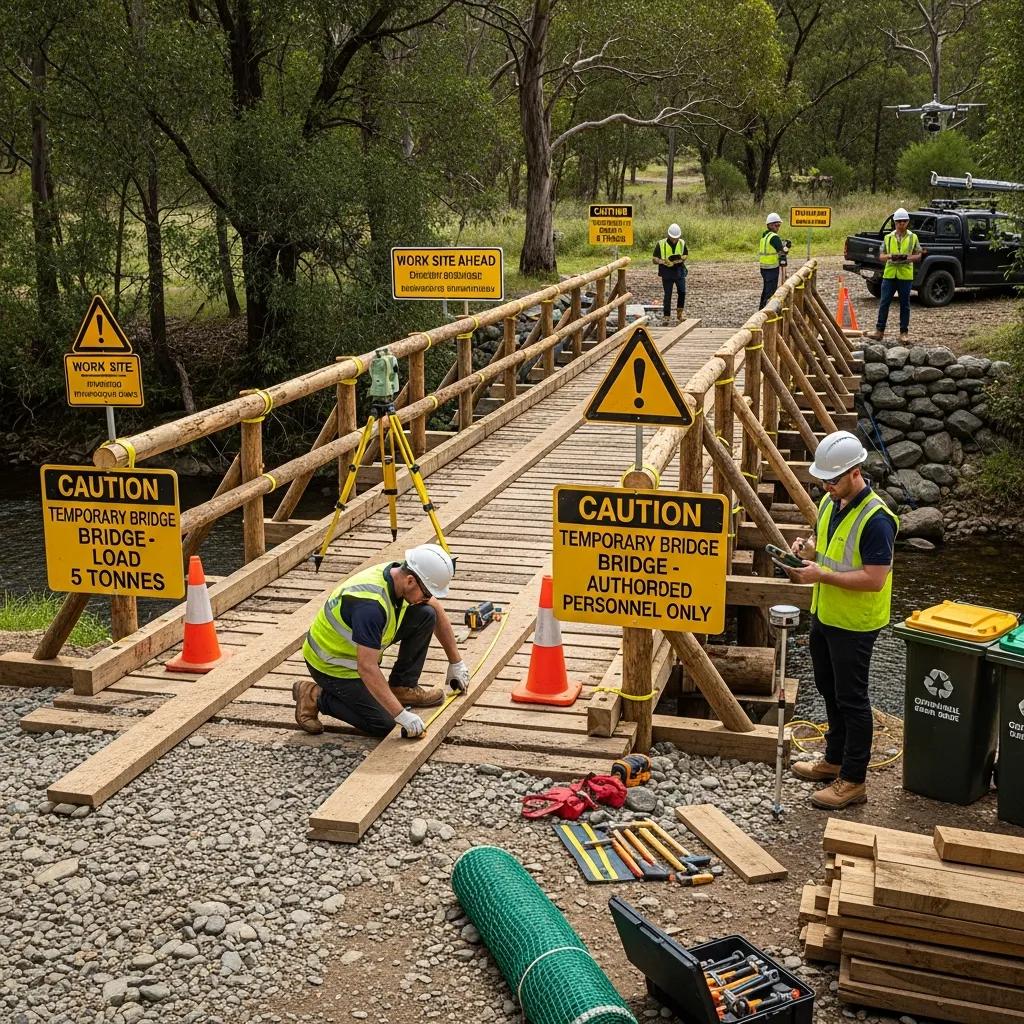
Temporary timber bridges must be constructed in strict accordance with USFS compliance standards to guarantee safety and minimize environmental impact. Compliance involves:
- Comprehensive site assessments evaluating terrain, hydrology, and ecological sensitivity.
- Verification that design plans meet USFS load and material specifications.
- Documentation of environmental compliance throughout construction activities.
Critical Steps for Safety and Environmental Compliance in Temporary Bridge Projects
Key procedural steps include:
- Site Assessment: Detailed evaluation of environmental conditions and potential impacts.
- Design Compliance Verification: Confirming that bridge designs adhere to USFS technical and safety standards.
- Environmental Compliance Documentation: Maintaining thorough records to demonstrate adherence to regulatory requirements.
These measures reduce risks and ensure that temporary bridges fulfill their operational roles without compromising safety or environmental integrity.
Role of Rapid Deployment Technology in Meeting Emergency Access Standards
Rapid deployment technologies enable the swift installation of modular timber bridge systems, critical for emergency access during natural disasters or urgent infrastructure needs. These systems:
- Comply with USFS safety and load requirements.
- Provide immediate, reliable access to affected areas.
- Facilitate efficient disaster recovery and infrastructure restoration.
For rapid response solutions, emergency temporary bridges offer proven capabilities aligned with USFS standards.
Inspection Standards and Maintenance Protocols for USFS Timber Bridges
Regular inspection and maintenance are essential to uphold the safety and functionality of USFS timber bridges. The standards include:
- Systematic evaluation of load capacity and structural integrity through visual inspections and load testing.
- Identification of wear, damage, or deterioration in bridge components.
- Comprehensive documentation of inspection findings, including photographs and measurements.
- Timely maintenance and repairs based on inspection results to prevent structural failures.
Evaluating Load Capacity and Structural Integrity During Inspections
Inspection protocols involve:
- Visual assessment of timber elements for cracks, rot, or insect damage.
- Load testing to verify the bridge’s ability to carry specified loads safely.
- Review of connection hardware and support structures for corrosion or loosening.
These evaluations ensure compliance with USFS guidelines and support long-term bridge durability.
Timber Bridge Inspection Protocols & Durability Assessment
Comprehensive inspection protocols for timber bridges include a wide variety of techniques to assess the condition of wood in service. The simplest method for locating deterioration is
A field assessment of timber highway bridge durability in the United States, 2015
Documentation and Reporting Requirements for USFS Inspection Compliance
USFS inspection guidelines mandate detailed record-keeping, including:
- Inspection reports with clear descriptions of observed conditions.
- Photographic evidence supporting findings.
- Measurement data documenting structural changes or damage.
- Records of maintenance actions taken in response to inspection results.
Accurate documentation facilitates ongoing compliance and informed maintenance planning.
Influence of Industry-Specific Applications on USFS Timber Bridge Standards
USFS timber bridge standards are adapted to meet the unique operational and compliance needs of various industries, including forestry, industrial, and government sectors. These adaptations ensure that bridges are fit for purpose and compliant with sector-specific requirements.
Compliance Considerations for Forestry, Industrial, and Government Sectors
Each sector imposes distinct demands on timber bridge design and construction:
- Forestry: Bridges must support heavy logging equipment and frequent load cycles. Temporary logging bridges are engineered for durability and rapid installation in remote locations.
- Industrial: Emphasis on rapid deployment and modularity to facilitate temporary access during construction or maintenance operations.
- Government: Focus on long-term durability, environmental compliance, and adherence to public safety regulations.
Integration of Environmental Impact Assessments in USFS Bridge Design
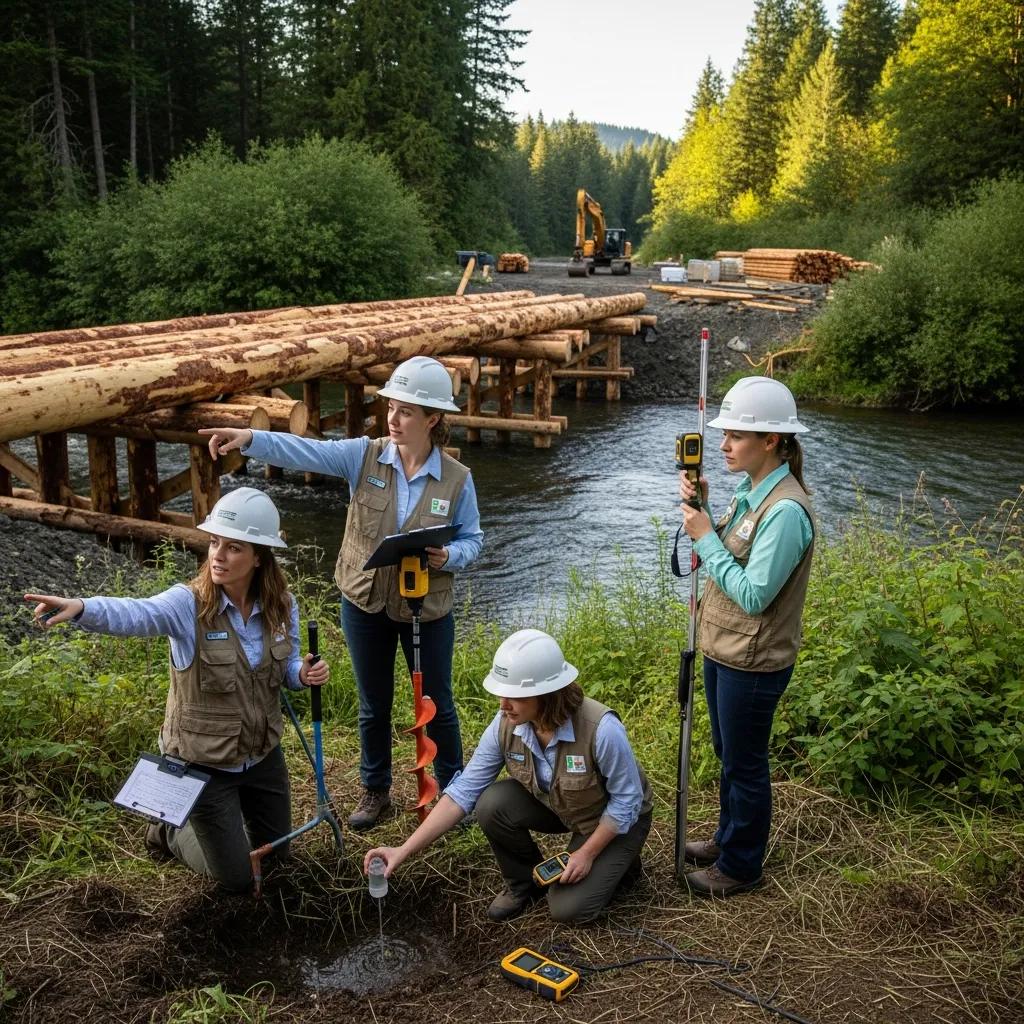
Environmental impact assessments are a critical component of USFS timber bridge design, ensuring that construction and operation minimize ecological disruption. These assessments:
- Evaluate potential effects on local ecosystems, water quality, and wildlife habitats.
- Inform design modifications to reduce the environmental footprint.
- Support compliance with federal and state environmental regulations.
For adaptable solutions across industries, temporary bridges provide versatile stress-laminated timber options tailored to diverse operational needs.
Explore Advanced Timber Bridge Solutions with E&H Manufacturing
For expert guidance and high-quality timber bridge products that meet USFS standards, explore the comprehensive range of solutions offered by E&H Manufacturing. Whether you require durable permanent structures or rapidly deployable temporary bridges, our team is ready to support your project’s technical and compliance needs.
Contact us today to discuss your timber bridge requirements and ensure your infrastructure meets the highest standards of safety and performance.