


AASHTO & USFS Load Rating Compliance for Timber Bridges: Essential Methods and Standards Explained
Timber bridges provide dependable access across rural roads, forest lands, industrial sites, and other locations where durability and practical construction are essential. Like any bridge structure, however, a timber bridge must be designed, evaluated, and maintained according to the requirements that apply to its intended use, location, ownership, and loading conditions. Many such projects incorporate stress laminated timber bridges as a preferred solution for their strength and adaptability.
For many projects, that means working within requirements established by the American Association of State Highway and Transportation Officials (AASHTO), federal bridge regulations, agency-specific criteria, and material standards governing structural timber and preservative-treated wood. Projects associated with the U.S. Forest Service (USFS) may also involve additional agency requirements related to site conditions, environmental protection, access, and long-term performance.
Understanding how these requirements fit together is important for bridge owners, engineers, contractors, forestry operations, government agencies, and industrial organizations planning a timber bridge project.
This guide explains the role of AASHTO load rating, USFS project requirements, timber material standards, stress-laminated bridge systems, inspection, and documentation.Key AASHTO and USFS Compliance Requirements for Timber Bridges
AASHTO Bridge Design and Load Rating Requirements
AASHTO standards play an important role throughout the life of many bridge structures, but design and load rating should not be treated as the same process.
Design of New Timber Bridges
New highway bridge design may be governed by the applicable edition of the AASHTO LRFD Bridge Design Specifications, along with project-specific requirements established by the bridge owner, state transportation agency, federal agency, or other authority having jurisdiction.
The engineer must evaluate the complete structural system, including applicable load combinations, material resistance, serviceability, connections, environmental exposure, and other project conditions. This requires deep knowledge of engineering technique and design principles relevant to timber structures.
Older bridge plans may reference historical loading designations such as H or HS truck loads. Those references can still be important when reviewing original plans and understanding how an existing structure was designed. However, a historical HS-20 designation should not automatically be treated as proof of a bridge’s present load-carrying capacity or current compliance.
The actual capacity of an existing bridge depends on its configuration, materials, current condition, modifications, deterioration, and the load-rating requirements that apply to the structure.
Load Rating of Existing Bridges
Load rating focuses on the bridge as it exists today.
An engineer may need to consider:
- Original plans and design calculations
- Field measurements
- Inspection findings
- Timber species and grade information
- Condition of primary structural members
- Connection performance
- Moisture-related deterioration
- Decay or insect damage
- Wear or damage to the deck
- Changes in dead load
- Repairs and alterations
- Current traffic demands
This distinction is critical. A bridge that was properly designed when constructed may still require a new or updated load rating when its condition, configuration, loading, or applicable requirements change.
How Timber Bridge Load Ratings Are Evaluated
The exact procedure depends on the bridge type, governing requirements, available records, and engineering method being used. In general, the process begins by understanding the loads acting on the structure and the resistance available from its components.
Dead Loads
Dead loads are the permanent loads carried by the bridge. Depending on the structure, these may include:
- Timber deck components
- Beams, stringers, or girders
- Wearing surfaces
- Railings and barriers
- Curbs
- Utilities
- Fasteners and hardware
- Other permanently attached features
Accurate dimensions and material weights matter because changes to a bridge can increase its permanent load. An added wearing surface or other modification, for example, may affect the amount of capacity remaining for live loads.
Live Loads
Live loads are temporary or moving loads applied to the bridge. Vehicle traffic is a primary consideration for many roadway bridges, but the applicable loading depends on the bridge’s use.
A bridge serving a forestry or industrial site may encounter a very different traffic pattern from a low-volume public road. Heavy equipment, specialized vehicles, or permit loads may require additional evaluation based on the owner’s needs and the requirements of the responsible agency.
Structural Resistance
The calculated demand on the bridge is compared with the resistance available from its structural components.
For timber structures, that evaluation can depend on factors such as:
- Wood species
- Lumber or timber grade
- Member dimensions
- Moisture conditions
- Duration and type of loading
- Condition of the wood
- Connection details
- Preservative treatment
- Structural configuration
- Applicable adjustment factors
This is one reason field inspection and accurate documentation are so important. A load rating is only as reliable as the information used to represent the actual bridge.
The Role of USFS Requirements in Timber Bridge Projects
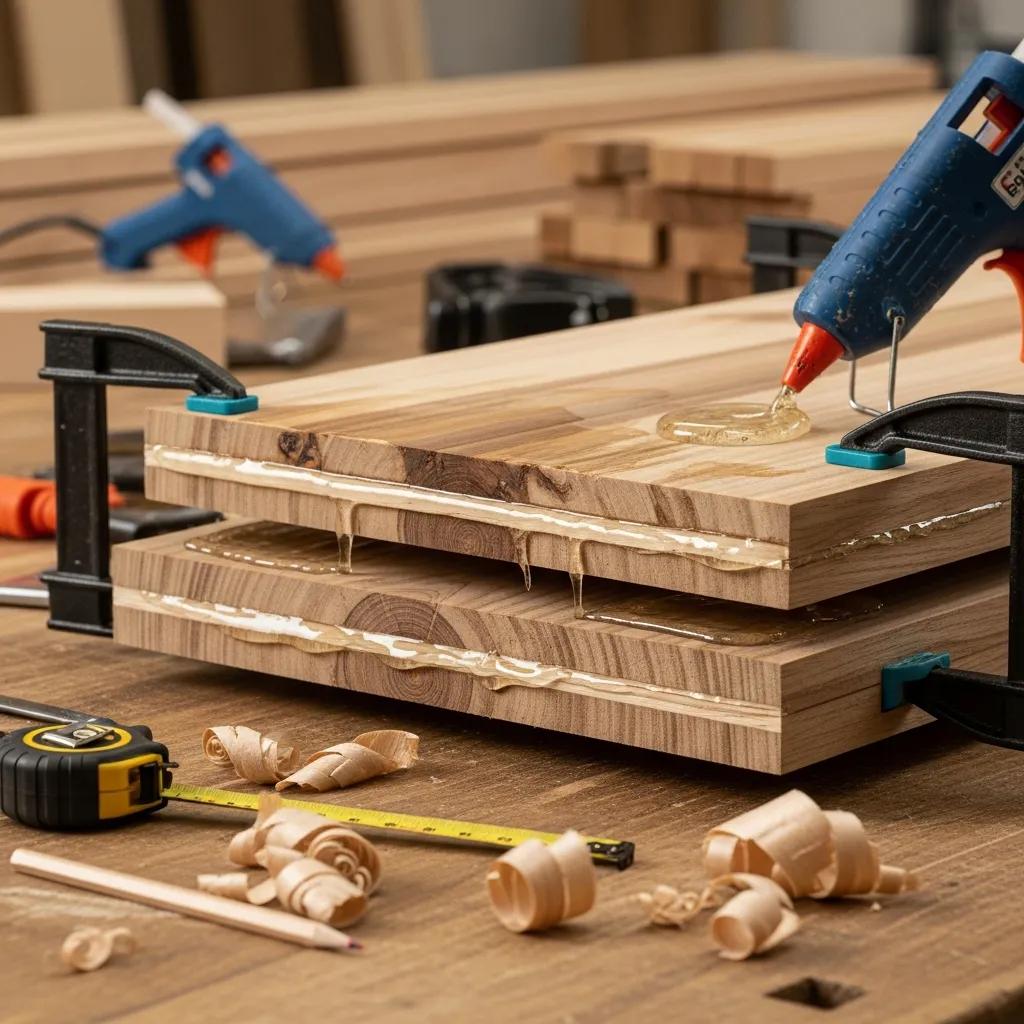
There is no single universal “USFS compliance” checklist that applies identically to every timber bridge.
Requirements can vary depending on the project, location, ownership, funding source, road classification, environmental conditions, contract documents, and the specific Forest Service unit involved.
A USFS-related bridge project may need to address considerations such as:
- Structural design criteria
- Required vehicle loading
- Site access
- Drainage and erosion control
- Waterway protection
- Construction impacts
- Material durability
- Inspection access
- Maintenance requirements
- Environmental permits and reviews
- Project-specific plans and specifications
For that reason, USFS requirements should be evaluated at the project level rather than reduced to a general statement that a bridge is simply “USFS compliant.”
Manufacturers, engineers, contractors, and project owners should review the actual contract documents and agency requirements before fabrication or construction begins.
Material Standards That May Apply to Timber Bridges
Material quality is central to timber bridge performance. The standards that apply depend on the type of wood product, structural system, treatment requirements, and project specifications.
Several commonly referenced standards include the following.
ASTM D2555: Clear Wood Strength Values
ASTM D2555 provides procedures for establishing clear-wood strength values.
It should not be described as a standard that directly establishes allowable stresses for glued-laminated timber. Instead, it provides foundational strength information used within the broader system of structural wood design and material evaluation.
ASTM D245: Visually Graded Lumber
ASTM D245 provides practices for establishing structural grades and related allowable properties for visually graded lumber.
This is relevant when the structural design depends on the grade and properties assigned to visually graded lumber used in the bridge system.
ASTM D3737: Structural Glued-Laminated Timber
For structural glued-laminated timber, or glulam, ASTM D3737 is more directly relevant. It addresses procedures for establishing allowable properties for structural glued-laminated timber.
Depending on the project, glulam components may be used in bridge decks, stringers, beams, or other structural applications.
AWPA U1: Preservative-Treated Wood
AWPA Standard U1 is a primary specification for preservative-treated wood products. It uses a Use Category System to match treated wood products with expected service conditions and exposure.
For timber bridges, proper treatment selection is important because structural components may be exposed to moisture, weather, and other conditions that increase the risk of biological deterioration.
The correct treatment specification depends on the wood product, species, intended use, exposure, and project requirements. Simply stating that wood is “treated” is not enough. The treatment should be appropriate for the conditions the bridge will experience.
Stress-Laminated Timber Bridges and Compliance Considerations
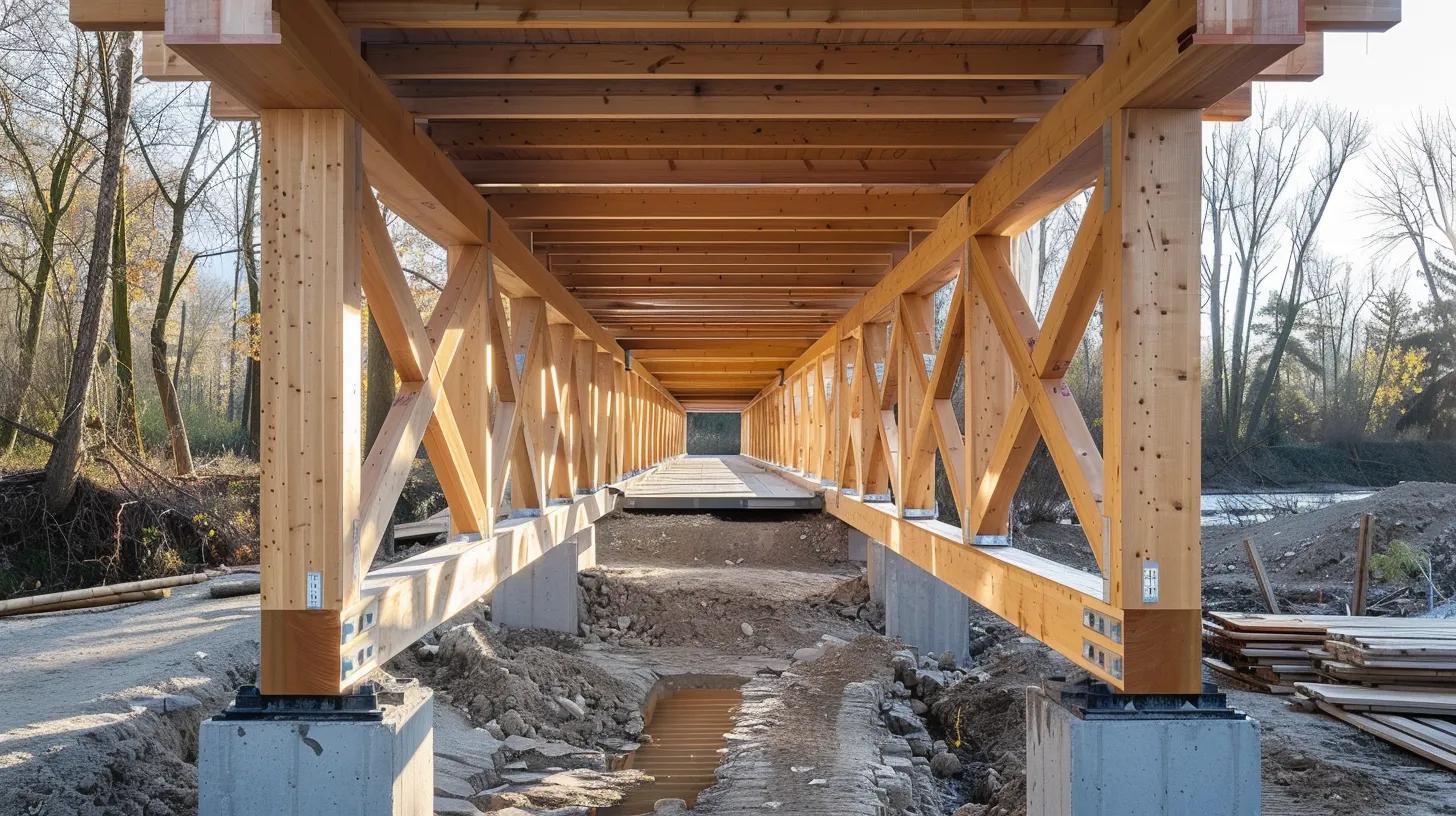
Stress-laminated timber bridges use timber laminations compressed together with high-strength steel bars to create a structural deck system.
The compression between adjacent laminations allows the deck to act together as a structural unit. Because this system depends on maintaining adequate compression and load transfer, design, fabrication, installation, and long-term maintenance all matter.
Important considerations may include:
- Timber species and grade
- Lamination dimensions
- Moisture condition
- Preservative treatment
- Steel bar configuration
- Anchorage details
- Initial bar tensioning
- Retensioning requirements
- Deck geometry
- Wearing surface
- Drainage
- Connection details
- Inspection and maintenance access
USDA Forest Service research has long emphasized the importance of proper construction practices and adequate bar force in stress-laminated timber bridge performance.
A well-designed bridge can still experience problems if fabrication tolerances, assembly, tensioning, drainage, or maintenance are neglected. Compliance therefore extends beyond calculations on paper. The constructed bridge must reflect the approved design and project specifications.
Quality Assurance During Timber Bridge Manufacturing and Construction
Quality assurance helps confirm that the bridge being manufactured and constructed matches the requirements established by the engineer and project documents.
Depending on the project, quality assurance may include:
Material Verification
Timber products should be checked against specified requirements for species, grade, dimensions, treatment, and other relevant characteristics.
Moisture Considerations
Moisture can affect timber dimensions, material behavior, connections, and the performance of stress-laminated systems. Project specifications may establish requirements for material condition during manufacturing processes or construction.
Dimensional Verification
Member dimensions, hole locations, connection geometry, and other fabrication details can affect fit-up and structural performance.
Hardware and Connection Inspection
Bolts, plates, tensioning systems, anchors, and other hardware should match the project requirements and be installed correctly.
Construction Verification
Field assembly should follow the approved plans and specifications. For stress-laminated systems, tensioning procedures and any required retensioning are particularly important.
Documentation
Material records, inspection reports, treatment information, fabrication records, and other project documents can provide valuable traceability throughout the bridge’s service life.
Inspection and Maintenance of Timber Bridges
Inspection requirements depend on the bridge owner, applicable regulations, bridge condition, and the program under which the bridge is managed.
For bridges subject to the National Bridge Inspection Standards, inspection intervals are established under federal requirements and the applicable inspection program. A universal statement that every timber bridge must simply be inspected “once every two years” can be misleading because inspection frequency can depend on bridge-specific and program-specific factors.
A timber bridge inspection may evaluate:
- Decay
- Insect damage
- Cracking and splitting
- Connection condition
- Fastener deterioration
- Deck wear
- Moisture accumulation
- Drainage problems
- Wearing surface condition
- Impact damage
- Railings and safety features
- Movement or deformation
- Condition of stress-laminating components
For stress-laminated bridges, the condition of the stressing system deserves particular attention because adequate bar force is important to the performance of the deck.
Inspection findings should be documented clearly so that changes in condition can be tracked over time.
When Should a Timber Bridge Be Re-Rated?
A new load rating or review of an existing rating may be necessary when conditions affecting bridge capacity change.
Examples may include:
- Significant deterioration
- Structural damage
- Rehabilitation
- Reconstruction
- Changes to structural members
- Added permanent loads
- Changes in traffic demands
- New legal load requirements
- Specialized vehicle access
- Incomplete or unreliable previous rating information
The bridge owner and responsible engineer should determine whether updated analysis is required based on the applicable regulations and the specific condition of the structure.
Timber Bridges for Forestry, Government, and Industrial Access
Different applications create different engineering and operational demands.
Forestry Operations
Forestry bridges may need to accommodate heavy vehicles, remote access conditions, seasonal use, and challenging construction sites. Vehicle configurations and anticipated operating loads should be clearly defined before the bridge is designed or evaluated. Innovative temporary logging bridge options can provide versatile access solutions to support forestry operations.
Government and Public Infrastructure
Public bridges may be subject to federal, state, or local design, inspection, load-rating, and reporting requirements. Coordination with the responsible bridge owner and agency is essential.
Industrial Access
Industrial sites may use specialized vehicles that do not match typical traffic patterns. Project owners should provide accurate vehicle information so the engineer can evaluate the loads that the bridge is expected to carry.
Temporary and Emergency Access
Temporary use does not eliminate the need for engineering. A temporary bridge solution still requires appropriate evaluation for its intended loads, site conditions, installation, and duration of service.
Documentation Is a Critical Part of Bridge Compliance
Good documentation supports both immediate project requirements and long-term bridge management.
Useful records may include:
- Design drawings
- Engineering calculations
- Material certifications
- Timber grade information
- Treatment documentation
- Fabrication records
- Construction inspection records
- Tensioning records for stress-laminated systems
- Load-rating reports
- Inspection reports
- Repair history
- Alteration records
When a bridge is evaluated years after construction, complete records can make it easier to understand how the structure was built and how it has changed over time.
Missing information can create uncertainty and may require additional field investigation, testing, measurement, or conservative engineering assumptions.
Planning a Timber Bridge Project Around the Right Requirements
A successfultimber bridge project begins by identifying the actual requirements before fabrication starts.
Project owners should be prepared to answer questions such as:
- Who owns the bridge?
- Is it on a public or private road?
- What agency requirements apply?
- What vehicles will use it?
- Are specialized or permit vehicles expected?
- What are the environmental exposure conditions?
- What timber products and treatments are specified?
- What documentation is required?
- Who is responsible for inspection and long-term maintenance?
There is no substitute for project-specific engineering. Terms such as “AASHTO compliant” or “USFS compliant” should be supported by the actual design criteria, calculations, specifications, materials, and documentation required for the project.
Work With E&H Manufacturing on Your Timber Bridge Project
E&H Manufacturing supports timber bridge projects with custom manufacturing capabilities for applications including forestry access, transportation, government infrastructure, and industrial sites.
For projects involving stress-laminated timber bridge systems or other custom bridge requirements, early coordination between the project owner, engineer, manufacturer, and contractor can help ensure that the fabricated components align with the approved plans and specifications.
Every project has its own loading conditions, site requirements, agency criteria, and documentation needs. E&H Manufacturing works with project teams to understand those requirements and manufacture components for the intended application.
Explore E&H Manufacturing’s timber bridge capabilities to learn more about available solutions, or contact our team to discuss the specifications and manufacturing requirements for your project.